Health Under Pressure at Work: Alarming 2026 U.S. Employee Well‑Being Statistics Everyone Should See
Category: For Employees
Publication: 2026-02-19
The U.S. “Health Gap”: Active Lives, Static Work
American employees are some of the most physically active in the world, with 76% exercising at least once per week—9 points above the global average—yet 66% say their work routines increase sedentary behavior. Long hours seated at a screen (55%), being indoors most of the day (54%), lack of movement (49%), and workload or time pressure (47%) are the top work-related health risks.
Despite all the wellness noise, 40% of U.S. employees say health issues have already affected their performance in the past year, rising to 48% among 18–34-year-olds. This is not a burnout crisis; it’s a slow, structural leak of energy that most organizations don’t measure.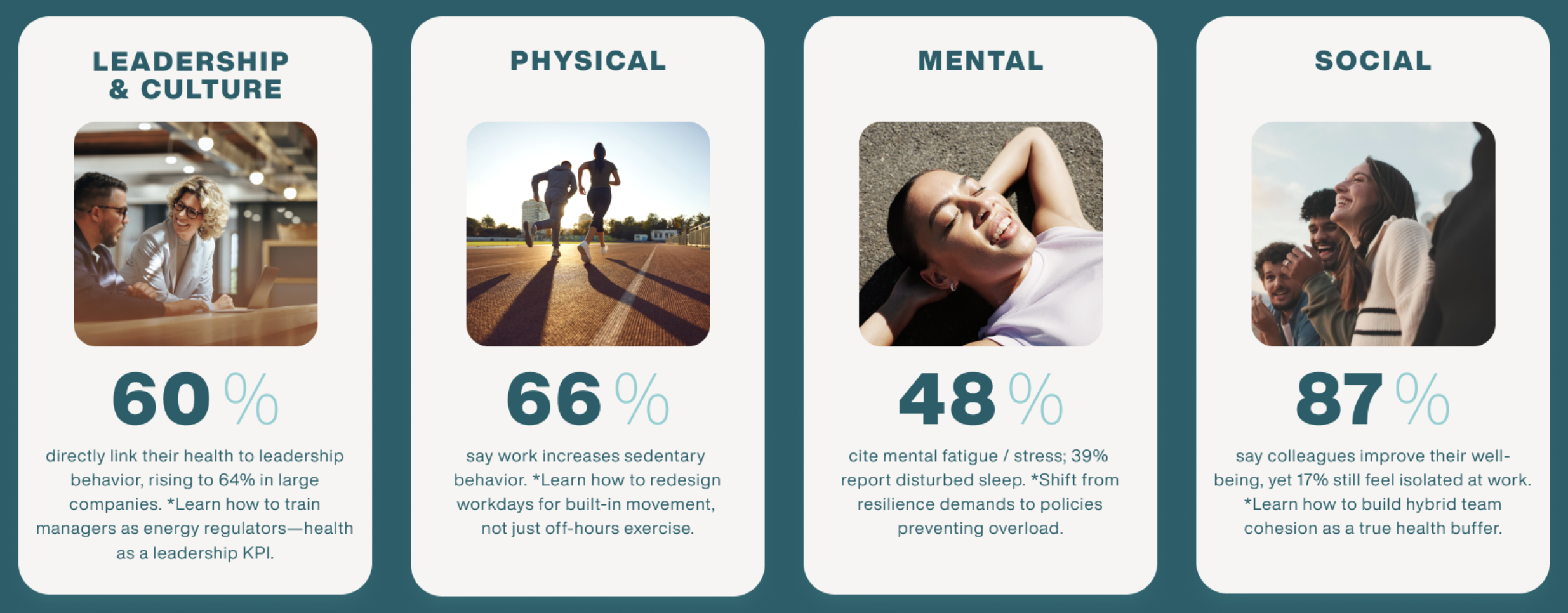
HR Reality Check: Wellness Programs Without Impact
On paper, the U.S. looks like a “well-being leader”: many companies offer mental-health support, fitness programs, and even financial well-being initiatives, especially large enterprises. Yet only 39% of employees say they’re satisfied with their company’s health and well-being offer, while 21% are clearly dissatisfied.
At the same time, 64% of employees say workplace well-being influences their decision to stay, jumping to 73% for mid-career professionals aged 35–44. In other words, well-being is now a retention driver—not a perk—and a mediocre program can quietly undermine employer brand.
For HR and leadership, the study is blunt: the challenge is no longer to act, but to scale—turning scattered programs into a consistent, measurable health culture that reaches every site, every team, every level.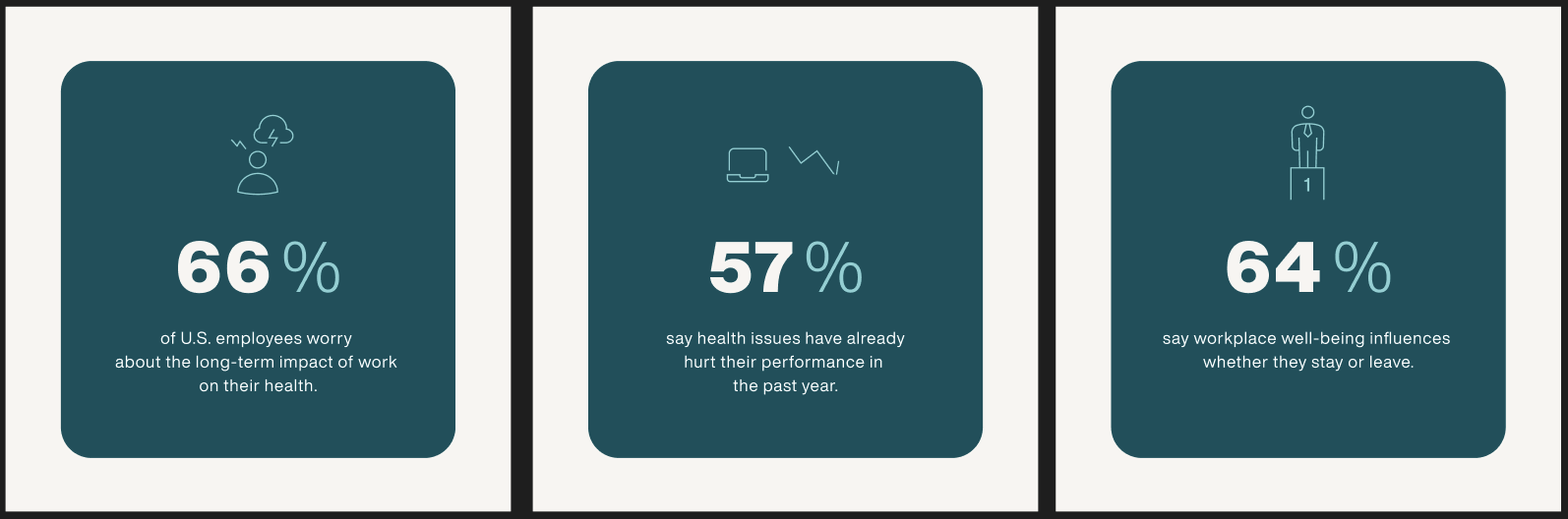
You’re Moving More, But is Work Wearing You Down?
Employees are not passive in their own health story. In fact, 76% exercise weekly and 23% exercise daily, yet work still makes them more sedentary. Nearly half of U.S. employees (48%) name mental fatigue or stress as their main challenge, and 39% report disturbed sleep, while 38% see a decline in physical health.
Younger workers feel it first and hardest:
- 75% of 18–34-year-olds worry about the long-term impact of work on their health.
- 48% in this group say health issues have already hurt their performance.
- They rank flexibility (60–67%), caring leadership (55–64%), and mental-health support (45%) as non‑negotiables.
Gen Z and younger Millennials are effectively using health as an employer filter: if your company cannot back up its well-being claims with lived reality, they will notice—and leave.
Leadership Under the Microscope: Health as a Credibility Test
 Six in ten U.S. employees say their health at work is directly linked to leadership behavior, a figure that rises to 64% in large companies. Leaders now act as “energy regulators”: they set the pace, legitimize (or penalize) breaks, normalize realistic workloads—or reinforce always‑on norms.
The study highlights:
- Mental fatigue or stress as the top challenge for employees,.
- How work negatively impacts their mental well-being and disrupted sleep.
- Social ties as a powerful buffer but a rise in isolation among employees aged 45–54.
For HR, this shifts well-being from “HR program” to “leadership KPI.” For employees, it validates an instinct many already have: the manager you work for may matter as much to your health as your doctor.
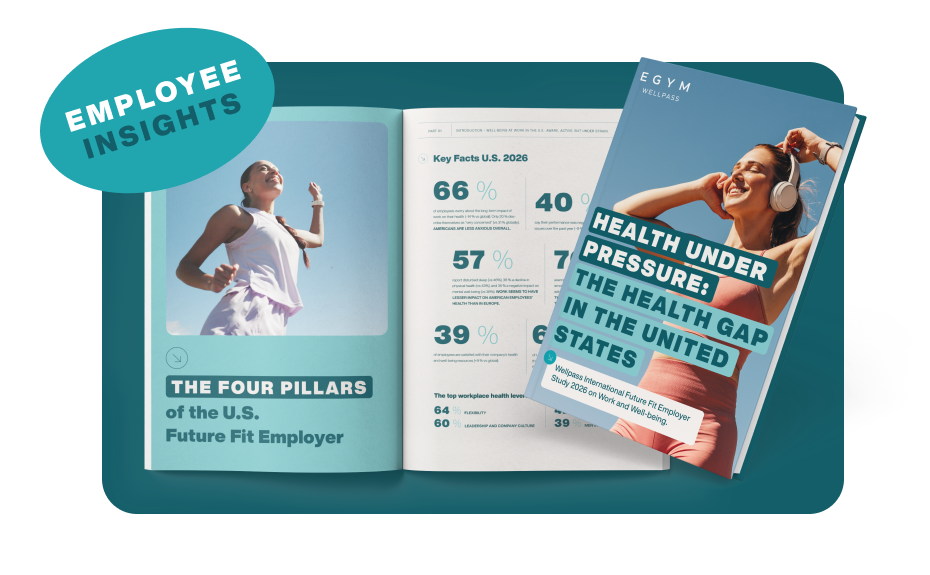
Want to dive deeper into the full U.S. findings? Discover generational breakdowns and the 10 actionable steps for “Future Fit Employers,” by downloading the complete Wellpass International Future Fit Employer Study 2026 and see where your organization truly stands.

